Clean skincare isn’t about trends or fear. This A-to-Z guide explains what it really means—and how to build a routine that protects your skin long-term.
Clean skincare means using products that prioritise safety, skin tolerance, and evidence—not trends or fear.
A clean skincare routine from scratch focuses on protecting the skin barrier, minimising irritation, and choosing ingredients with a proven safety record.
Why This Guide Exists (And Why Your Skin Needs It)
I used to believe that clean skincare meant more products, more labels, and more rules.
However, my skin told a different story.
Redness. Breakouts. Burning. Confusion.
Most people aren’t told this, but skin doesn’t fail randomly. Instead, it reacts to overload, misinformation, and marketing noise. Especially in regions like Pakistan, where climate, pollution, hard water, and hormonal acne already stress the skin, copying global skincare trends can quietly damage your barrier.
That’s exactly why this A-to-Z guide to building a clean skincare routine from scratch exists.
No fear tactics.
No influencer routines.
No perfection.
Just a public-health–informed, evidence-led roadmap to help you build a routine that actually respects your skin—long term.
A — Actives in Clean Skincare. Less Is Safer
Actives are ingredients that do something—like exfoliating, brightening, or treating acne.
However, more actives do not mean better skin. In fact, overusing them is one of the fastest ways to destroy your barrier.
Clean skincare rule:
Start with one active. Use it slowly. Respect your skin’s limits.
B — Barrier-First Skincare. The Foundation of a Clean Routine
Your skin barrier is your first line of defence. It keeps moisture in and irritants out.
When the barrier breaks down, everything burns—even “gentle” products.
Therefore, a clean skincare routine must protect:
- Natural oils
- Healthy bacteria
- Skin pH
If your routine doesn’t support the barrier, it isn’t clean—no matter what the label says.
C — Clean Skincare Explained. What It Really Means for Skin Safety
Let’s answer the big question clearly.
What is clean skincare?
Clean skincare is about risk reduction, not purity fantasies.
Clean skincare means using products formulated to minimise harm, irritation, and long-term disruption to your skin barrier.
It does not automatically mean:
- Chemical-free
- Preservative-free
- DIY
- Expensive
It is not:
- A trend
- A fear-based ingredient list
- A guarantee that something “natural” is safe
- A marketing buzzword
It is:
- Ingredient transparency
- Fragrance awareness
- Barrier-first thinking
- Evidence over aesthetics
Clean skincare asks one simple question.
Will this support my skin five years from now?
D — Don’t Copy Routines Blindly. Build Your Clean Skincare Routine Intentionally
What works for someone on Instagram may damage your skin quietly.
Different factors matter:
- Climate
- Age
- Hormones
- Medical history
- Sensitivity
Instead of copying, build intentionally.
E — Exfoliation in Clean Skincare. Optional, Not Mandatory
Contrary to popular belief, exfoliation is not mandatory.
If your skin is acne-prone, sensitive, or eczema-leaning, exfoliating too often causes inflammation that looks like “purging” but isn’t.
Clean skincare respects skin recovery time.
F — Fragrance in Skincare. The Most Common Irritant
Fragrance is one of the top causes of:
- Contact dermatitis
- Burning
- Delayed irritation
Even “natural” essential oils can inflame sensitive skin.
Therefore, fragrance-free is not boring.
It’s protective.
G — Gentle Cleansing. A Core Step in a Clean Skincare Routine
A cleanser should clean—not strip.
If your face feels tight after washing, your barrier is already compromised.
Look for:
- Low-foam
- pH-balanced
- Non-squeaky formulas
H — Hydration vs Moisturising. Both Matter in Safe Skincare
Hydration adds water.
Moisturising seals it in.
Clean skincare routines need both, especially in dry or polluted environments.
I — Irritation Is Not “Working”. A Clean Skincare Red Flag
Tingling. Burning. Redness.
These are warning signs—not proof of effectiveness.
Healthy skin improves quietly.
J — Just Because It’s Trending Doesn’t Mean It’s Safe Skincare
From slugging to skin cycling, trends often ignore individual tolerance.
Public health teaches us something powerful:
Population trends don’t equal personal safety.
K — Keep the Routine Short. Minimalist Clean Skincare Works
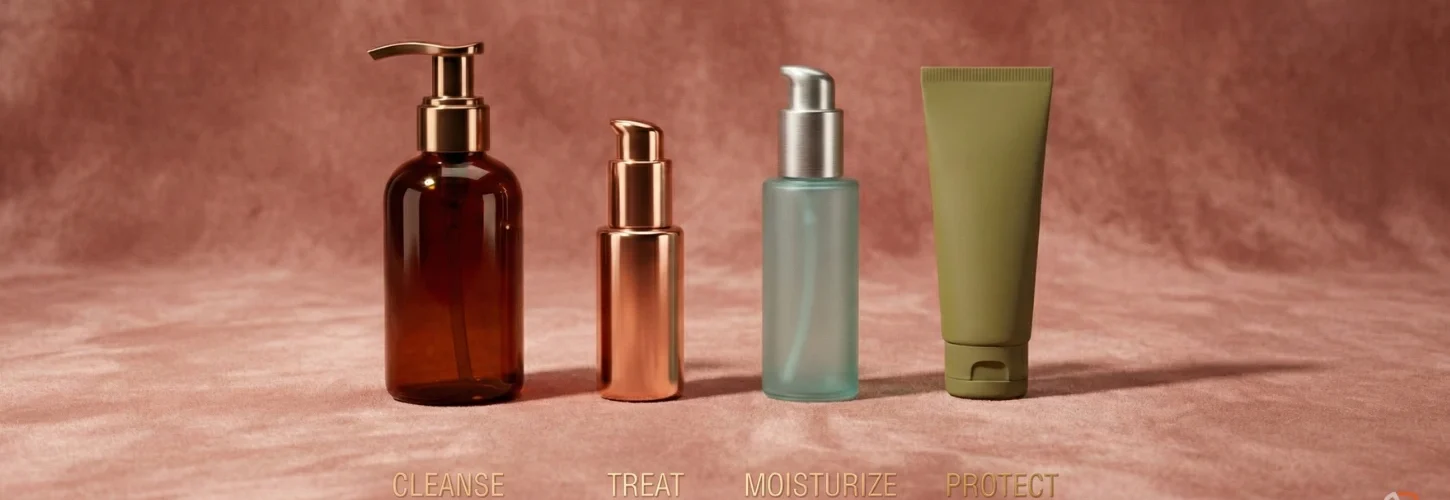
Most people need:
- Cleanser
- Moisturiser
- Sunscreen
Everything else is optional.
More steps = more risk.
L — Layering Skincare Correctly. Less Irritation, Better Barrier Health
Apply products from:
- Thinnest
- To thickest
However, fewer layers always mean less irritation.
M — Microbiome-Friendly Skincare. Clean Beauty Beyond Labels
Your skin hosts beneficial bacteria.
Over-cleansing and harsh actives disrupt this ecosystem, leading to acne, eczema, and sensitivity.
Clean skincare works with biology, not against it.
N — Natural ≠ Safe. The Clean Skincare Myth That Harms Skin
Poison ivy is natural too.
What matters is evidence, not origin.
O — Overuse in Skincare. The Hidden Cause of Barrier Damage
Even good products cause problems when overused.
Clean skincare is about dose control.
P — Patch Testing. A Non-Negotiable Step in Safe Skincare
Always test new products behind the ear or on the jawline for 48 hours.
Q — Quality Over Quantity. The Clean Skincare Principle That Protects Skin
One well-formulated product beats five mediocre ones.
R — Respect Recovery Time. How Clean Skincare Supports Healing
Skin repairs itself at night.
Overloading it disrupts healing.
S — Sunscreen Is Clean Skincare. Daily Protection for Long-Term Skin Health
Without sun protection, no routine is complete.
Especially in high-UV regions like Pakistan, sunscreen is preventive medicine for the skin.
T — Teen Skincare Safety. Why Clean Routines Must Be Simple
Teen skin doesn’t need acids, retinoids, or complex routines.
Gentle care prevents long-term damage.
U — Understanding Your Skin Type. Guidance Without Obsession
Skin type changes with:
- Stress
- Hormones
- Weather
Listen more. Label less.
V — Vegan Skincare Labels. Ethics Matter, But Skin Safety Comes First
Ethics matter—but skin tolerance still comes first.
W — Water Quality and Skincare. An Overlooked Barrier Stressor
Hard water can worsen dryness and eczema.
If your skin feels worse after washing, this may be why.
X — The X-Factor in Clean Skincare. Consistency Over Perfection
Consistency beats perfection every time.
Y — Your Skin Is Not Failing You. It’s Responding to Overload
It’s reacting to confusion.
Z — Zero Fear, Zero Shame. The True Philosophy of Clean Skincare
Clean skincare is not about fear.
It’s about informed choice.
Final Takeaway
This guide explains clean skincare as a public-health–informed approach that prioritises safety, barrier protection, minimalism, and evidence. It rejects greenwashing, fear-based marketing, and over-complication while empowering readers to build sustainable routines.
Call to Action
You deserve clarity, not chaos.
If this guide helped you rethink skincare, share your thoughts, ask questions, or join The Beauty Rebels community—where skin health comes before trends.
Frequently Asked Questions (FAQs)
What is clean skincare?
Clean skincare focuses on ingredient safety, skin tolerance, and long-term health rather than fear-based or trend-driven formulations.
How do I start a clean skincare routine from scratch?
Start with a gentle cleanser, moisturiser, and sunscreen. Add products slowly and only if needed.
Is clean skincare safe for sensitive skin?
Yes—when it prioritises fragrance-free, low-irritation formulas and minimal routines.
How many skincare products do I really need?
Most people need three to four products at most.