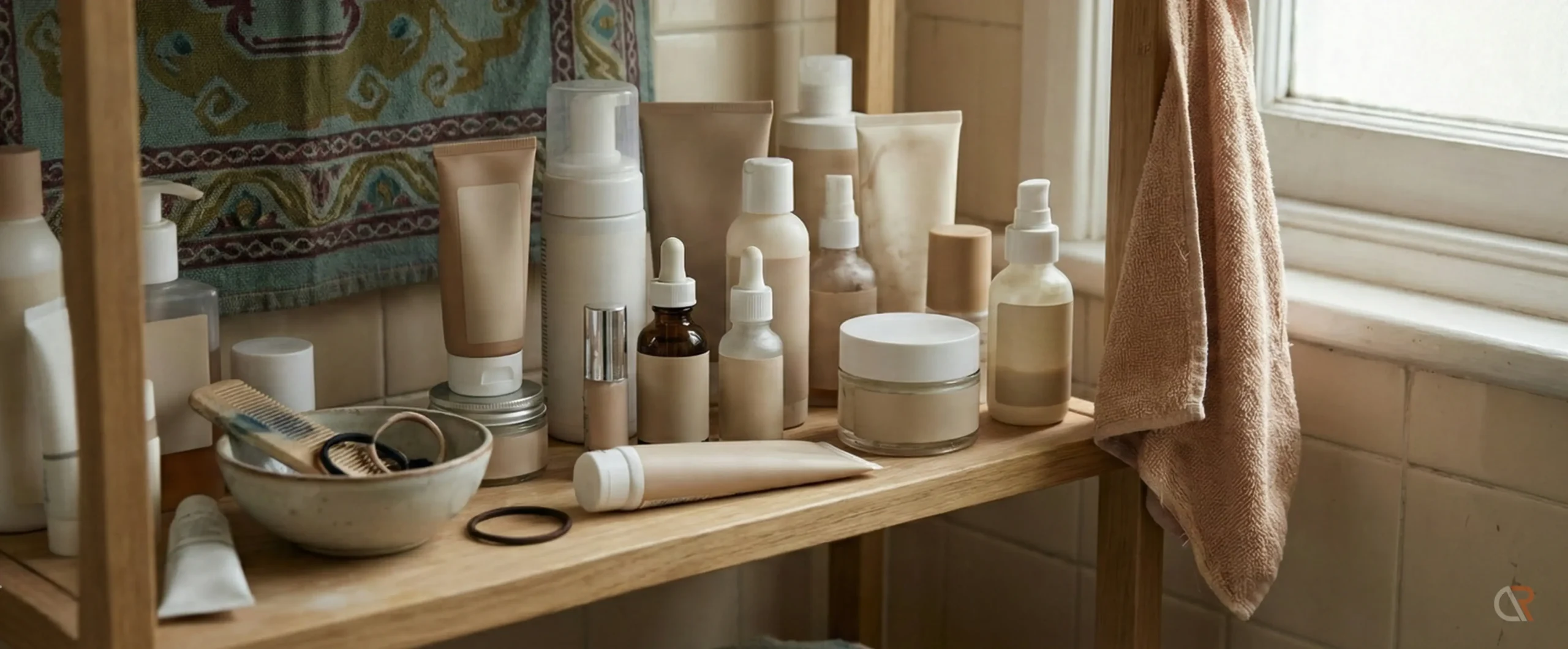
Many skincare labels use comforting words that sound safe but have no real legal or medical meaning. Learning to spot these red flags helps you avoid irritation, wasted money, and long-term skin barrier damage—in just seconds.
Why This Matters More Than You Think
I still remember standing in a super store aisle, holding a “gentle” face wash that burned my skin within minutes. The label looked reassuring. Soft colours. Calming words. Yet my skin reacted fast—and badly.
That moment taught me a hard truth. Most skincare harm doesn’t come from obvious chemicals. It comes from misleading language.
Today, beauty brands know consumers are label-aware. So instead of hiding ingredients, they hide behind words. Words that sound scientific. Words that feel comforting. Words that quietly bypass regulation.
If you have sensitive skin, acne, eczema, or fragrance reactions—or if you’re shopping for a teen—this matters even more. Let’s break this down simply and safely. No scare tactics. Just facts.
By the end of this guide, you’ll know exactly how to spot red flags on skincare labels in seconds—without memorising ingredients or becoming anxious while shopping.
Why These Words Feel So Convincing (And Why That’s Not Your Fault)
Let’s be clear. These labels don’t work because you’re careless.
They work because of psychology.
Our brains are wired to trust:
- Medical language (dermatologist tested)
- Moral language (clean, non-toxic)
- Nature-based language (natural, plant-powered)
Brands don’t need to lie. They only need to comfort you.
And when you’re tired, overwhelmed, or dealing with a breakout, comfort often wins over clarity. That doesn’t make you naive. It makes you human.
Here’s the truth: ingredients tell the truth; claims tell a story.
Your job is to recognise when the story feels too reassuring.
The 10-Second Label Scan (A Practical Habit)
Before we dive into the words, here’s the mindset shift:
Ingredients tell the truth. Claims tell the story brands want you to believe.
So first, scan the front label claims. If one of the following seven words jumps out, pause.
Red Flag #1: “Dermatologist Tested”
This phrase sounds medical. However, it means almost nothing.
- There’s no requirement for how many dermatologists.
- No rule on how the product was tested.
- No obligation to publish results.
What it sounds like:
A medical professional approved this product.
What it usually means:
A dermatologist may have observed a short test on a small group—without published results.
Why it matters:
This claim does not guarantee suitability for sensitive, acne-prone, or eczema-prone skin. In other words, a product can irritate skin and still legally say this.
Rebel Rule:
If a label doesn’t explain how or on whom testing was done, treat it as marketing—not medicine.
What to do instead:
Look for specific claims like “tested on sensitive skin” or transparent testing protocols. Even then, patch test.
Red Flag #2: “Fragrance-Free” (Without Context)
This one surprises people.
“Fragrance-free” does not always mean scent-free. Sometimes, masking fragrances are used to neutralise smell. Moreover, botanical extracts can still trigger reactions.
What it sounds like:
Safe for sensitive skin.
What it can hide:
Masking fragrances or fragrant botanical extracts.
Why it matters:
Fragrance exposure—hidden or obvious—is a common trigger for irritation and barrier damage. For eczema-prone or acne-prone skin, fragrance exposure—even hidden—can quietly disrupt the skin barrier.
Smarter scan:
Flip the product. If you see “parfum,” “aroma,” or multiple essential oils, proceed cautiously.
Red Flag #3: “Natural” or “All-Natural”
Nature is powerful—but not always gentle.
Poison ivy is natural. So is lemon peel oil. Both can irritate skin.
What it sounds like:
Gentle. Pure. Safer than synthetic.
What it really means:
Absolutely nothing—this term is unregulated in cosmeticsglobally. It’s a marketing preference, not a safety guarantee.
Reality check:
Natural ingredients can still sting, burn, or trigger allergies due to allergens, acids, and volatile compounds.
A Quiet Truth About Sensitive Skin
Sensitive skin isn’t weak skin.
It’s alert skin.
It reacts faster because the barrier has already been stressed—by acne treatments, over-exfoliation, fragrance exposure, or hormonal shifts.
So when a product says natural, your skin doesn’t hear comfort. It hears uncertainty.
Red Flag #4: “Clinically Proven”
Proven how? Compared to what?
This phrase often lacks:
- Sample size
- Study duration
- Outcome definition
What it sounds like:
Backed by strong science.
What it often means:
A small, short-term test showing minimal improvement.
Why it matters:
A hydration boost for one hour can still qualify as “clinically proven.”
Rebel Rule:
If a brand doesn’t explain what was proven and how, the claim lacks substance.
Practical tip:
Unless the brand links data or explains what was proven, treat this as promotional language—not evidence.
Red Flag #5: “Non-Toxic”
This word triggers fear—and confusion.
Everything is toxic at the wrong dose. Even water.
There is no universal definition of non-toxic in skincare. Brands use it to sound safer than competitors.
What it sounds like:
Completely safe.
What science says:
Everything is toxic at the wrong dose—even water.
Why this matters:
There’s no universal definition of “non-toxic” in skincare. It’s a fear-based marketing term.
Health-forward mindset:
Focus on tolerance, formulation quality, and your own skin history—not buzzwords.
Red Flag #6: “Hypoallergenic”
This sounds like protection. Sadly, it’s another loosely defined term.
- No standard testing criteria
- No obligation to avoid common allergens
Better approach:
Scan the ingredient list for simplicity. Fewer ingredients often mean fewer reactions.
What it sounds like:
Unlikely to cause reactions.
What’s missing:
Standardised testing requirements.
Why it matters:
Some hypoallergenic products still contain fragrance or common irritants.
Better approach:
Simpler formulas with fewer ingredients often reduce reaction risk.
Red Flag #7: “Clean Beauty”
This is the most emotionally loaded phrase of all.
“Clean” implies moral superiority. Yet there’s no global agreement on what it means.
One brand’s “clean” formula may still irritate sensitive skin. Another brand’s “not clean” product may be perfectly safe.
What it sounds like:
Morally superior and safer.
What it actually is:
A movement—not a medical category.
One brand’s “clean” product may irritate sensitive skin. Another brand’s “not clean” formula may be perfectly tolerable.
Let’s be honest:
Clean beauty is a movement, not a medical category or guaranteed safety.
Skincare Labels in Pakistan: What You Need to Know
In Pakistan, many skincare products are imported and lightly regulated at the claims level.
Add to that:
- Hot climate
- Pollution
- Hard water
Your skin barrier already works overtime. Misleading label language only adds confusion.
This doesn’t mean imported products are unsafe. It means labels deserve extra scrutiny—especially when claims sound too comforting.
The 7-Second Red Flag Checklist
If you’re in a rush, ask yourself:
- Are multiple buzzwords stacked together?
- Does the label promise everything to everyone?
- Is there no explanation of testing or evidence?
- Does it rely more on emotion than information?
If yes—even once—pause.
A Safer Way to Shop (Without Overthinking)
Here’s a calmer framework:
- Scan claims first
- Identify your personal triggers
- Respect your skin history
- Patch test consistently
Your skin doesn’t need perfect products. It needs fewer lies and clearer choices.
Final Takeaway
Red flags on skincare labels include vague marketing terms like dermatologist tested, clean beauty, non-toxic, natural, hypoallergenic, fragrance-free, and clinically proven. These words often lack legal definitions and can mislead consumers, especially those with sensitive or acne-prone skin. Safer skincare choices come from ingredient awareness, personal trigger recognition, and consistent patch testing rather than trusting front-label claims.
Call to Action
You deserve clarity, not confusion.
If this helped you shop with more confidence, share it with someone who struggles with sensitive skin—or join The Beauty Rebels community and reclaim control over your skincare choices.
Frequently Asked Questions (FAQs)
Are skincare labels regulated?
Yes, but claim language is often loosely monitored compared to medicines.
What words on skincare labels are misleading?
Terms like “natural,” “non-toxic,” and “dermatologist tested” often lack strict definitions.
How can I tell if a skincare product is safe?
Look beyond claims. Check ingredients, patch test, and track how your skin responds.
Is clean beauty safer for sensitive skin?
Not always. Safety depends on formulation, not marketing labels