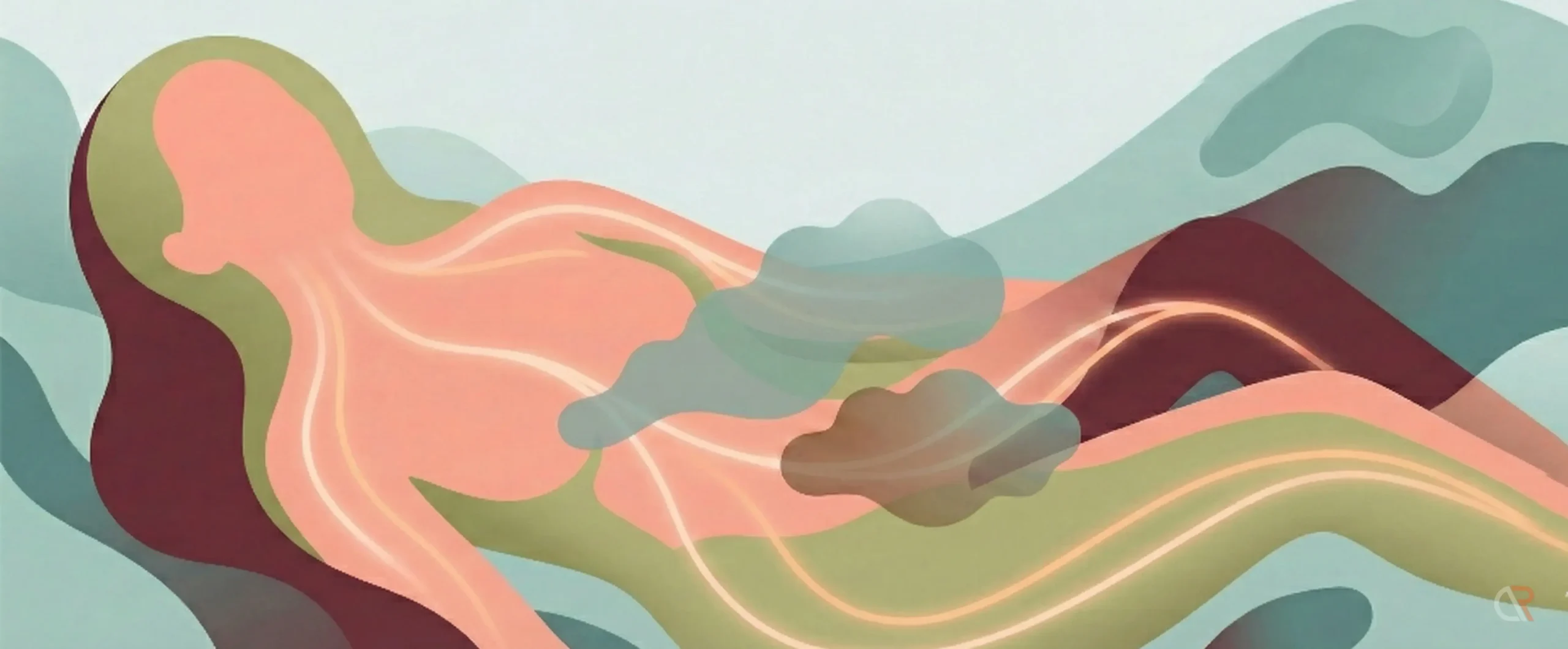
Feeling pressured to look perfect is not a personal failure — it’s a learned response shaped by beauty culture, social conditioning, and constant comparison. This pressure is designed, reinforced, and normalized around you, not created by you.
If This Feels Heavy, You’re Not Weak
If you’ve ever stood in front of a mirror and felt a quiet sense of failure—despite doing nothing “wrong”—you’re not alone. Many people live with a constant, exhausting pressure to look perfect. It shows up as self-criticism, comparison, and the feeling that you’re always one step behind an invisible standard.
However, here’s the truth most people aren’t told: this pressure didn’t come from you. You didn’t wake up one day and decide your worth would be measured by your face, body, or skin. Instead, the idea was introduced slowly—through media, culture, family comments, and social platforms—until it felt normal.
So, let’s pause the self-blame. Let’s talk about why feeling pressured to look perfect is so common—and why it was never your fault.
Where the Pressure Actually Comes From
To begin with, no human is born believing they need to look perfect to be worthy. That belief is learned.
1. Beauty Standards Are Designed, Not Discovered
Beauty standards shift with time, trends, and profit. What’s considered “ideal” today often contradicts what was praised a decade ago. Yet, the pressure feels personal because it’s repeated so often.
Moreover, industries benefit when you feel inadequate. If perfection feels just out of reach, you keep buying, fixing, and chasing. That’s not a coincidence—it’s a system.
2) Comparison Culture Trains the Brain
Social media didn’t create insecurity, but it amplified it. Constant exposure to curated images trains the brain to compare automatically. Over time, comparison stops being a choice and becomes a reflex.
As a result, even neutral moments—like seeing your reflection or attending a gathering—can trigger silent self-judgment.
3) Cultural Expectations Add Another Layer
In many communities, including in Pakistan, appearance is often tied to respectability, marriage prospects, or social acceptance. Comments may be framed as “concern” or “advice,” yet they still land as pressure.
Importantly, this doesn’t mean families or cultures are intentionally harmful. It means the pressure is inherited—passed down without being questioned.
Why Your Brain Internalized It (This Is Psychology, Not Weakness)
At this point, many people ask, “Why can’t I just stop caring?”
Here’s the simple science: the human brain is wired for belonging. When approval and acceptance seem linked to appearance, the brain adapts to protect you. It learns that looking “right” feels safer than standing out.
Therefore, perfectionism around appearance often develops as a coping strategy—not vanity. It’s the mind trying to reduce risk, rejection, or criticism.
The Hidden Cost of Trying to Look Perfect
Although striving for perfection is normalized, it quietly drains mental and emotional energy.
- You’re never fully present because you’re monitoring how you look.
- Joy feels conditional—only allowed on “good appearance” days.
- Self-worth fluctuates with mirrors, photos, and comments.
Eventually, this creates chronic dissatisfaction. No matter how much effort you put in, the finish line keeps moving.
Why This Pressure Feels Personal (But Isn’t)
Because the messaging is constant, it starts to sound like your own voice. Over time, external standards become internal rules.
However, recognizing this separation is powerful. When you realize the pressure was taught, you can begin to question it. And questioning is the first step toward relief.
A Gentle Reframe: You Are Responding, Not Failing
Instead of asking, “What’s wrong with me?” try asking, “What taught me to feel this way?”
That single shift removes shame and replaces it with understanding. It also creates space to respond differently—at your own pace.
What Healing Can Look Like (No Overhauls Required)
This isn’t about suddenly loving how you look. That expectation is just another form of pressure.
Instead, healing often begins with neutrality.
- Allowing your face and body to exist without constant evaluation
- Noticing comparison without obeying it
- Choosing rest over self-surveillance
Progress here is quiet. And that’s okay.
Why This Conversation Matters
When people believe feeling pressured to look perfect is a personal failure, they suffer in silence. When they understand it’s a shared, conditioned experience, something softens.
You’re not broken. You’re responding normally to an abnormal amount of pressure.
Final Takeaway: What This Means for You
Feeling pressured to look perfect is a psychological conditioned response shaped by social comparison, cultural beauty standards, psychological needs for belonging and validation-driven systems. In Pakistan and globally, appearance-based pressure is reinforced through media especially social media, family norms, and marketing. This pressure is learned — not inherent — and understanding its origins reduces shame and restores self-worth. Alway remember, it is not a personal flaw, weakness, or failure.
A Soft Closing (No Fixing Required)
If this article gave you even a moment of relief, let that be enough for today. You don’t need to transform your self-image overnight. Awareness itself is a form of healing.
You deserve safety—in your body, your face, and your reflection.
Share your thoughts in the comments.
And join The Beauty Rebels — where safety, truth, and self-respect come first.
Frequently Asked Question (FAQs)
Why do I feel pressured to look perfect all the time?
Because social conditioning, media, and cultural expectations repeatedly link appearance with worth, approval, and safety.
Is it normal to feel insecure about my appearance?
Yes. Appearance-based insecurity is extremely common and shaped by external messaging — not personal failure.
How does social media affect body image?
Social media increases comparison, reinforces unrealistic standards, and trains the brain to seek validation through appearance.
Are beauty standards realistic?
No. Most modern beauty standards are digitally altered, commercially driven, and biologically unattainable.